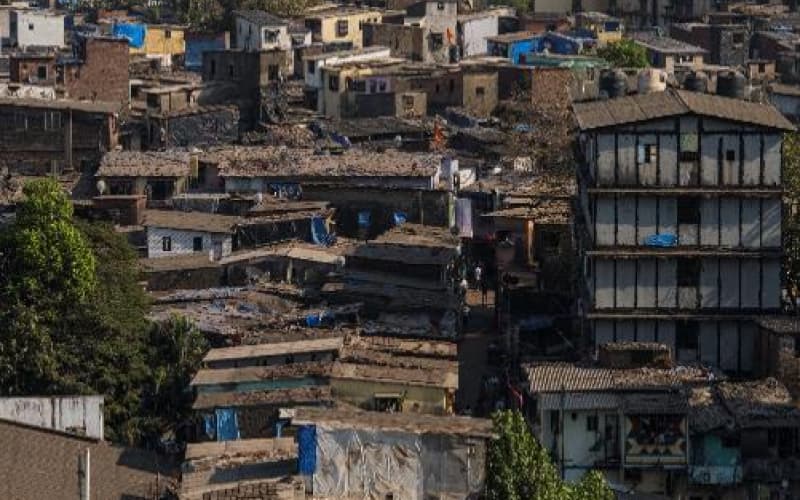
The Chief Minister of Maharashtra, Devendra Fadnavis, has approved a Rs. 95,790 crore project for the Dharavi redevelopment master plan, which will be carried out by Dharavi Redevelopment Project Private Ltd (DRPPL). This is a special purpose vehicle (SPV), which is a joint venture between Adani Private Properties Ltd (APPL) and the Slum Rehabilitation Authority (SRA) of the Maharashtra state government. Source: indiacinehub.gov.in Let’s break down the details about what is planned to happen in Dharavi in the coming years: Overview of the project: This project aims to redevelop Dharavi into a better and well-connected urban space in the next seven years – that is, by January 2032. The SPV is on its way to reconstructing nearly 251.24 hectares of land, out of which 108.99 will be used for redevelopment purposes. At the same time, the rest will be utilised for building better infrastructure and providing public services to the citizens of Dharavi. The presentation copy of the master plan that was presented on 28 May suggests that 56.01 per cent of the 108.99 hectares of land will be used for the rehabilitation, while the remaining 43.99 per cent will be used for future commercial development and sales. Nearly 58,532 residential units and about 13,468 commercial units will be built for the rehabilitation of the eligible tenants who currently reside in Dharavi. Ownership of the Redevelopment Project: The DRPPL is now called Navbharat Mega Developers Private Ltd (NMDPL) and has an 80:20 ratio of ownership in the company. Out of this, 80 per cent of the stake is owned by the Adani Private Properties Ltd (APPL), while the remaining 20 per cent stake is with the Slum Rehabilitation Authority (SRA). The special purpose vehicle that has been deployed for surveying the total number of residents that are eligible for rehabilitation in Dharavi estimates that it will have to build nearly 72,000 housing and commercial units on an area of nearly 47.20 hectares. Resistance from residents: According to the special purpose vehicle, only the residents who reside in the ground floor structures are eligible for the rehabilitation. This has led to criticism and resistance from the local residents against the project, as many of them also reside on first-floor or second-floor or higher structures. The president of Dharavi Redevelopment Samiti, Rajendra Korde, has criticised the survey process, saying, “In Dharavi, there are nearly 1 lakh people who stay on ground-floor structures that are eligible for the rehabilitation. Other than that, there are nearly 1.5-2 lakh people who live in second or third-floor structures that are deemed ineligible. If only 72,000 units are being built for the eligible tenants, then will the remaining 30,000 be declared ineligible? Is this survey accurate? Have they completed the survey properly?”. Economic zones and Relocation plans: Dharavi is considered to be one of the most important zones for economic and industrial activities for various small-scale and mid-scale businesses of different sectors. The place is also home to multiple industries like leather, pottery, garment, food and recycling, etc. that are also planned to be a part of the redeveloped area. The NMDPL has stated that six different regions in Mumbai will be used for rehousing the citizens of Dharavi, too. This includes a total of 541.2 acres that have been allotted for affordable rental housing. This is inclusive of 21 acres in Kurla and nearly 58.5 acres in Mulund, possession for which has already been given to the special purpose vehicle. Other than this, there are 4 more plots that are yet to be handed over to the SPV, which are – Deonar (124.3 acres), Malad (Aksa and Malvani) (140 acres), Arthur Road (120.5 acres) and Kanjurmarg (76.9 acres). Promise of the future or Risk of displacement? “Dharavi redevelopment will ensure that it does not lose its soul,” said Devendra Fadnavis. He also added that the government has issued certain important directions that must be followed strictly to maintain an inclusive, sensitive, and eco-friendly redevelopment project that preserves the identity of Dharavi. Fadnavis, who is also directly overseeing the project, has mentioned that the project will be historic and will open new possibilities for the community and the city at large. Adding to this, the deputy CM of Maharashtra, Eknath Shinde, said, “This is not only about building infrastructure but about creating a model for employment, education, healthcare and communal harmony. It’s a bold step towards a smarter Mumbai.” Source: Instagram/ @cmomaharashtra_ However, Mumbai Congress chief and MP Varsha Gaikwad has opposed the Dharavi Redevelopment Project. “Lakhs of people will be forcefully pushed out of Dharavi. And in return, Adani will get 14 crore sq ft of buildable area. Almost six times more than Dharavi’s total area.”, said Varsha Gaikwad. While it is true that the Dharavi Redevelopment Project is a highly promising endeavour for boosting the economy of the city and providing better facilities to the people of Dharavi, it is also a massive development challenge at the same time. The people of Dharavi are the ones who will be most affected by this project if they are not guaranteed a new place for rehabilitation by the time this project is expected to be finished in 2032. Lastly, it is also important to note that Dharavi is also a closely knit and densely populated network of citizens, families, businesses and industries that will be majorly affected in terms of their daily functioning if they are not provided with the promised rehabilitation sufficiently.
14 Jun 2025
Akshat Jain


